



By Lulama kaSozathini— January 30, 2026 Pic: Israel Embassy
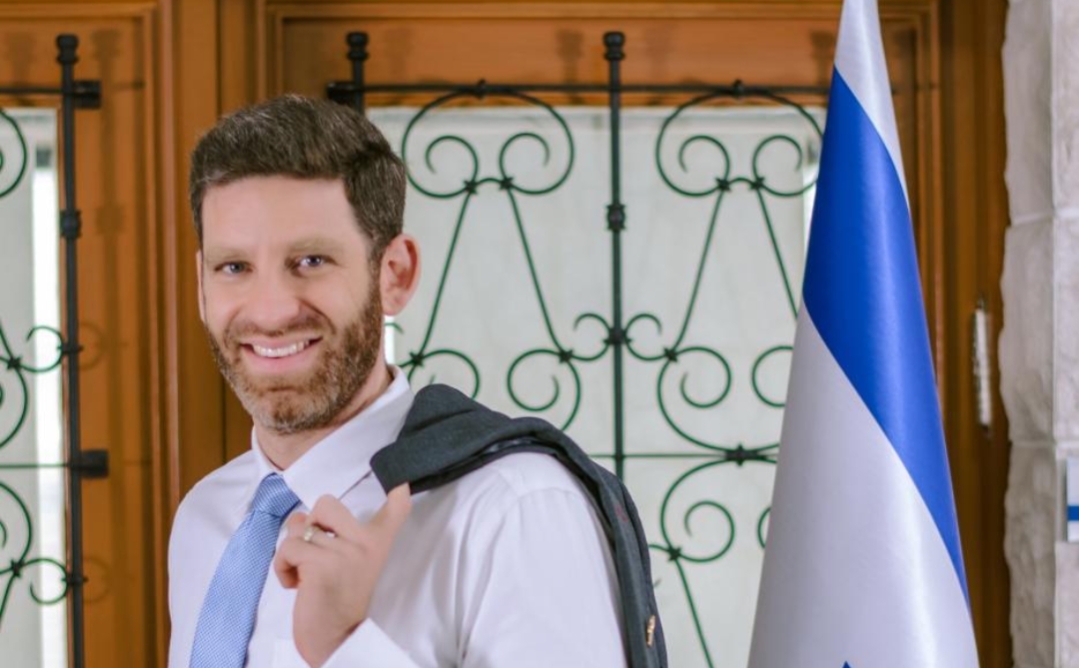
South Africa’s Department of International Relations and Cooperation (DIRCO) has declared Ariel Seidman, the deputy ambassador and Chargé d’Affaires at the Israeli Embassy in Pretoria, persona non grata and given him 72 hours to depart the Republic. The decision, confirmed in an official statement on Friday, marks a significant escalation in diplomatic tensions between Pretoria and Tel Aviv.
According to DIRCO, the expulsion follows what it describes as “unacceptable violations of diplomatic norms and practice” that challenged South Africa’s sovereignty. Among the cited violations are repeated insulting attacks on President Cyril Ramaphosa via official Israeli social media platforms and the failure to inform DIRCO of visits by senior Israeli officials to South Africa. These actions, the department said, constituted a gross abuse of diplomatic privilege and a fundamental breach of the Vienna Convention on Diplomatic Relations.
The move comes against the backdrop of already strained relations between the two nations. South Africa has been highly critical of Israeli policy in the Gaza Strip, going so far as to file a case against Israel at the International Court of Justice (ICJ), alleging genocide — accusations that Israel vehemently denies. Relations deteriorated further in recent years, with South Africa withdrawing all its diplomatic staff from Israel in 2023 after similar disputes.
In addition to the social media conduct and notification issues, the recent diplomatic row has been fuelled by an incident in South Africa’s Eastern Cape province involving Israeli officials and traditional leadership.
Recently, a delegation of Israeli embassy officials reportedly led by David Saranga, a senior diplomat visited provincial institutions in the Eastern Cape, including Mthatha General Hospital, Nelson Mandela Academic Hospital, and Walter Sisulu University, without the knowledge or approval of either the provincial government or DIRCO. These visits reportedly involved discussions about cooperation with Israel’s Sheba Medical Centre and included donations of goods to hospitals.
The visits were facilitated by King Buyelekhaya Dalindyebo of the AbaThembu, who had earlier travelled to Israel in December 2025, where he was hosted by senior Israeli officials, including Foreign Minister Gideon Sa’ar. That visit had already stirred controversy, drawing criticism both within South Africa and among traditional royal houses for the king’s perceived endorsement of an increasingly polarising foreign state.
Eastern Cape Premier Lubabalo Oscar Mabuyane condemned the unsanctioned engagements, calling them a breach of diplomatic protocol that undermined both national sovereignty and cooperative governance. Mabuyane stressed that international relations fall under the exclusive remit of the national government, and that neither provincial authorities nor traditional leaders have the mandate to engage foreign diplomats independently.
The premier further instructed provincial health officials to investigate how foreign donations were accepted without proper procedures, underscoring concerns about accountability and constitutional authority.
The African National Congress (ANC) has also criticised King Dalindyebo’s Israel engagements, with senior party figures describing his actions as an insult to South Africa’s solidarity with the Palestinian cause and a betrayal of longstanding ANC foreign policy positions.
With Ariel Seidman’s expulsion now official, diplomatic relations between South Africa and Israel are expected to enter an even more fraught phase. Analysts say Israel may respond reciprocally, potentially declaring South African diplomats in Tel Aviv persona non grata, further deepening the bilateral rift.
The unfolding situation highlights ongoing tensions over diplomatic conduct, national sovereignty, and international alignment, and is likely to remain a significant foreign policy issue for both capitals in the months ahead.
@icamagu