









By Lulama kaSozathini
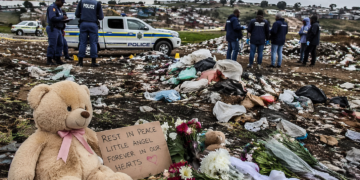
Over the past two weeks, communities across the Eastern Cape have experienced a mixture of joy and heartbreak as families welcomed home young men who successfully completed the sacred rite of traditional male initiation—while others were left grieving sons who never returned.
According to the Department of Cooperative Governance, 20 initiates have died since the start of the current initiation season on 14 November 2025. The OR Tambo District has recorded the highest number of fatalities with seven deaths, followed by the Amathole District where five boys tragically lost their lives.
MEC for Cooperative Governance and Traditional Affairs, Zolile Williams, conveyed his sorrow and outrage at the continued loss of life during what is meant to be a revered cultural journey.
“I wish to express my deepest condolences to the families of the boys who lost their lives. We bemoan the untimely death of these boys, especially at the hands of those who had to guide them through one of the most sacred journeys of their lives,” said MEC Williams.
Government departments and traditional leadership structures had initiated widespread awareness and compliance programmes ahead of the season, guided by the Customary Initiation Act (Act No. 2 of 2021) and the Eastern Cape Customary Male Initiation Practice Act (Act No. 5 of 2016). These initiatives included training for iingcibi and amakhankatha to promote a safe, injury-free season.
Despite these measures, the province continues to face alarming challenges. Of the 20 boys who died, 13 were attending legal initiation schools while seven had been circumcised illegally. Authorities say illegal initiation remains one of the greatest threats to ensuring a safe season. To date, 421 boys have undergone illegal circumcision.
The department further reported:
- 187 initiates are currently in hospital
- 3 827 were treated on site
- One amputation has been recorded
Government now places its hope in the criminal justice system to hold perpetrators accountable and deter those who continue to operate unlawfully.
As families mourn and communities reflect, the call grows louder for strengthened enforcement, accountability, and collective responsibility to protect the lives of young men undertaking this deeply meaningful cultural transition.